
Calm down. We brought fans.
Water Mitigation in Spokane, WA
Water mitigation in Spokane, WA, means we dry it out and stop the spread before the water does any more damage. It’s the drying half of water damage restoration, and it’s the part you need first.
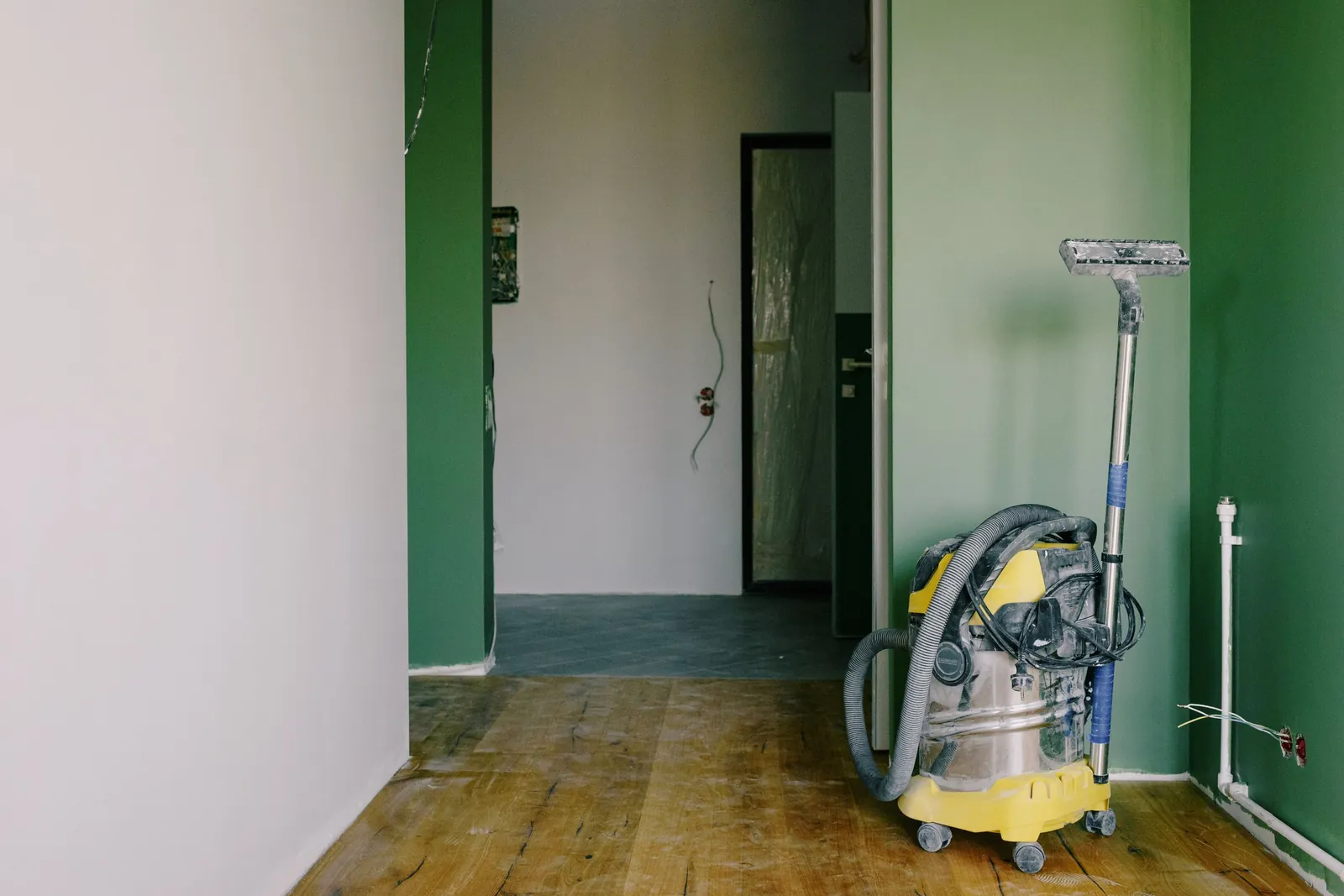
Here’s what happens next.
Everything between your phone call and a dry house.
Shut it off
We’ll talk you through turning off the water, and tell you what to leave alone, while the crew gets on the road.
Map the wet
Moisture meters show where the water traveled: under the carpet, up the drywall, into the next room. We write it all down so you and your adjuster see the same map.
Pull out the water
Standing water comes out first. Soaked carpet pad and swollen baseboards come out next, and only when drying them in place won’t work.
Set up the drying
Air movers and dehumidifiers go where the readings point. Your house will sound like a small airport while they run.
Check it until it’s done
We come back to take readings and move equipment around, then talk with you about repairs once the house is dry.
Water doesn’t sit still
Drywall wicks it upward like a paper towel, hardwood starts to cup, and carpet pad hangs on to it long after the carpet on top feels fine. The sooner the drying starts, the more of your floors and walls we get to keep.
So the first visit ends with a plan you can see. You’ll know which rooms are wet and what has to come out before anything gets cut, and you can ask about any of it.
The word on your paperwork
Restoration companies say “mitigation,” and so does your insurance paperwork. It means the emergency work: pulling out standing water, removing materials that can’t be saved, and drying what’s left. Repairs come afterward, and our insurance claim help page explains how the two halves of a claim fit together.
Sharing your house with our equipment
You didn’t plan on hoses and a row of fans in your living room this week. We keep cords out of the walkways, tell you before we cut anything, and clean up after ourselves at the end of every visit. If a room can’t be used while it dries, we’ll say so up front.
Dry by the numbers
Touch is a bad test. A wall can feel dry an hour after the water is gone while the wood behind it is still soaked. So we take moisture readings in the same spots every visit and compare them with a part of your house that never got wet. When the wet areas read like the dry one, the equipment comes out.
Each reading gets written down with the date, so you can watch the numbers fall.
4.7 out of 5 from 56 Google reviews
“This is the second time I used Pure Restore. After they repaired water damage in a bathroom earlier this year we had a new incident in our kitchen needing extensive work. There was no question about who we’d call. Every interaction with them was so professional and pleasant. Their quality of work blew me away both times. It left me thinking of renovating parts of my house just so I’d get to have them back out. These are your guys.”
“Pure Restore was the greatest. They restored my flooded basement to far beyond my expectations. They were kind and very helpful. The work they did was of the highest quality. I would highly recommend this company to anyone.”
“I appreciate this team so much and the genuine care they had for our family and home! I'd recommend them to everyone. Also, their finish work is incredible. Our home was left looking better than it did before the flood!”
Two things people ask about mitigation
Why would you cut out drywall that looks fine?
Water climbs inside drywall and hides behind baseboards. If the meter says a section can’t dry where it is, we take out that piece, show you the reading, and leave the rest alone.
Can I switch the fans off at night?
Please leave them running. Drying works around the clock, and turning the equipment off stretches the job out. If the noise near a bedroom is too much, tell us and we’ll see what can be moved.
We are here for you.
Whatever happened, call and talk to a real person. We'll tell you what we'd do next, whether we perform the work or not.